

In today’s fast-paced digital world, staying connected is more crucial than ever. From smartphones and laptops to smart homes and wearable devices, our lives are intertwined with technology. But have you ever wondered how all these devices communicate with each other over the vast expanse of the internet? Enter IPv6, the next-generation Internet Protocol that is revolutionizing the way we connect and communicate online.
In this user-friendly article, we’ll take a journey into the realm of IPv6, exploring its features, advantages, and the exciting possibilities it holds for the future.
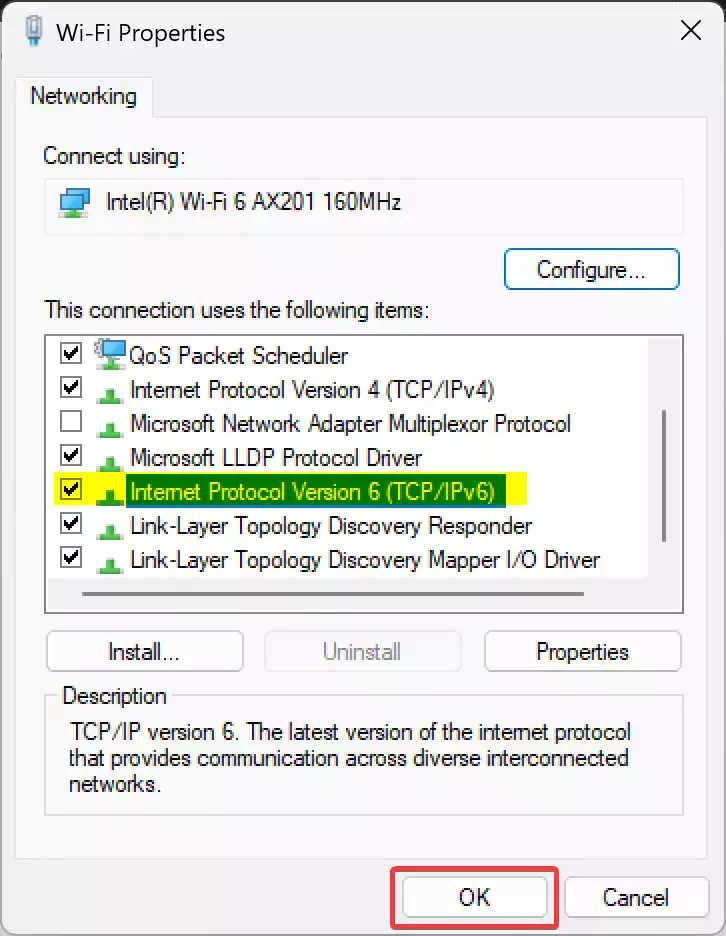
The Need for IPv6
Let’s start with the basics. Every device connected to the internet needs a unique address to send and receive data. IPv4, the previous version of the Internet Protocol, had a limited pool of addresses, and with the explosion of internet-connected devices, we were running out of them. IPv6 was developed to solve this problem by offering an enormous address space that can support an unimaginable number of devices.
The Marvel of 128-Bit Addressing
IPv6’s most striking feature is its 128-bit address format. Instead of the four sets of numbers used in IPv4 (e.g., 192.168.0.1), IPv6 addresses appear as eight groups of four hexadecimal digits (e.g., 2001:0db8:85a3:0000:0000:8a2e:0370:7334). This vast address space ensures that every device on the internet can have its own unique address without limitations.
Enhanced Security for a Safer Online Experience
Security is a top priority in today’s digital landscape, and IPv6 takes it seriously. It integrates IPsec (Internet Protocol Security) as a standard feature, offering strong encryption and authentication to protect data during transmission. This additional layer of security helps safeguard privacy and defends against cyber threats.
Efficient Routing and Network Management
IPv6 improves the way data is routed across networks, simplifying configurations and reducing overhead. This streamlined process leads to quicker and more efficient data transfers, minimizing delays. Internet Service Providers (ISPs) benefit from more manageable networks and can deliver enhanced services to users.
Transitioning from IPv4 to IPv6
Although the benefits of IPv6 are clear, the transition from IPv4 is ongoing. Both protocols currently coexist to maintain compatibility with older systems and devices. Thankfully, most modern hardware and operating systems support IPv6 out of the box, making the migration process smoother for users and administrators alike.
Exploring a Connected Future
IPv6 is key to enabling a smarter, more connected world. Its vast address space supports the rapid growth of the Internet of Things (IoT), where billions of devices—from refrigerators to cars—communicate seamlessly. IPv6 also plays a vital role in powering next-gen networks like 5G, ensuring fast and reliable connections everywhere.
Conclusion
As the internet continues to expand, embracing IPv6 is essential for a seamless and limitless future. Its advanced features—including a massive address range, better security, and more efficient routing—lay the foundation for innovation and connectivity. By transitioning to IPv6, we prepare for a world where every device can connect, communicate, and thrive.