

As AI-generated content becomes increasingly prevalent across industries, it’s important to distinguish between text created by humans and machines. This is where AI content detection tools prove valuable. These tools help identify AI-generated content and are useful in contexts such as plagiarism detection, content creation, and academic or research verification.
In this gearupwindows article, we’ll explore the top free AI content detection tools that can help you identify whether a piece of text is written by a human or generated by artificial intelligence.
Top Free AI Content Detection Tools
AI Text Classifier
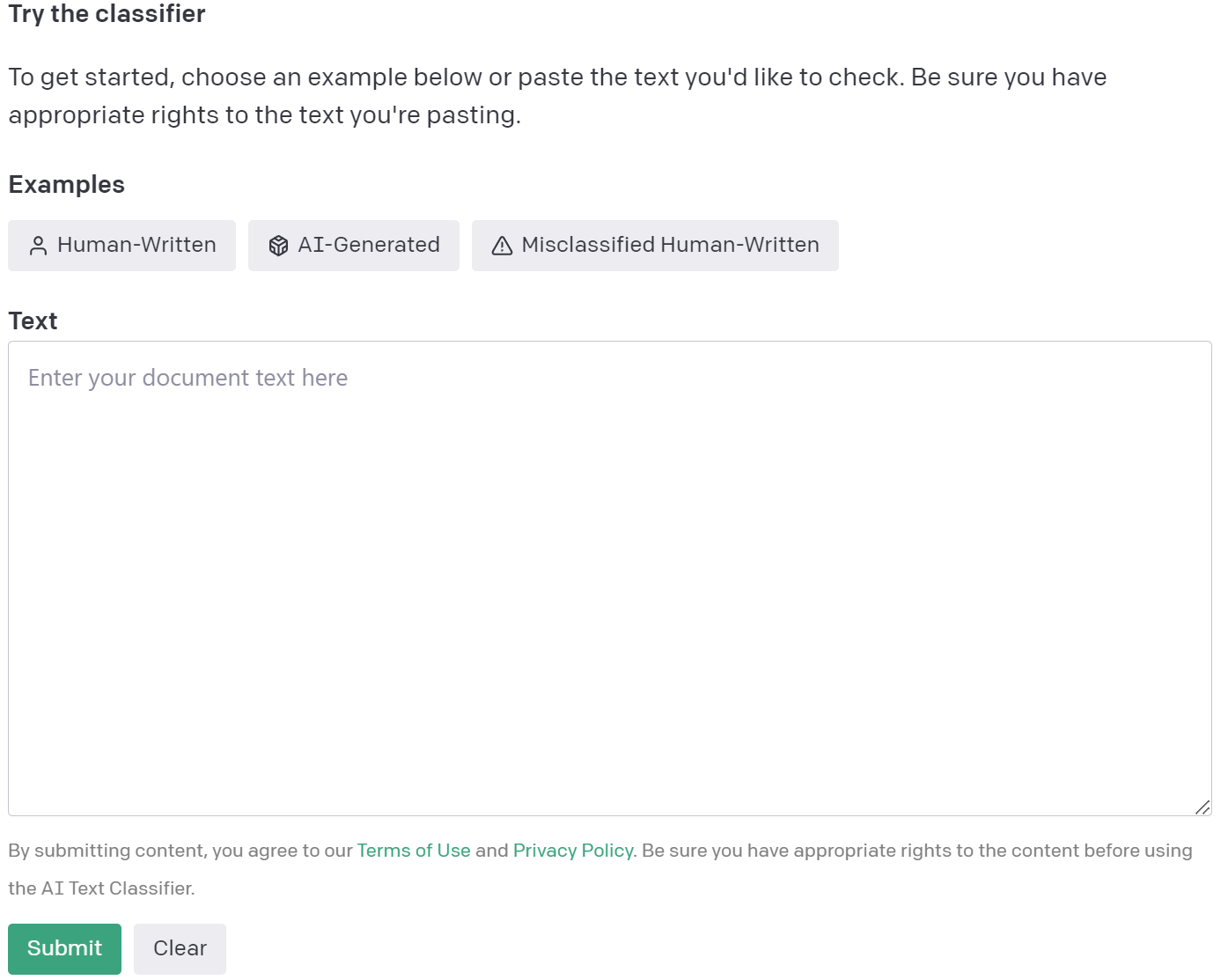
The AI Text Classifier is a helpful tool for analyzing AI-generated content. It’s a fine-tuned GPT model that predicts whether a piece of text was generated by AI, including ChatGPT. This free tool is intended to promote discussions around AI literacy. However, it has some limitations. For example, it requires a minimum of 1,000 characters and may incorrectly label both AI and human-written text. Edited AI content can also evade detection. Additionally, it may struggle with non-English text or writing by children, as it was primarily trained on English content written by adults. Despite these drawbacks, it’s an excellent starting point for identifying AI-generated text.
GPTZero
GPTZero is considered one of the most reliable AI content detectors. Since its launch, it has gained over 1 million users. One advantage is its ability to analyze up to 5,000 characters at once. While the free version is powerful, it does limit you to checking up to 1 million words monthly. A paid version is also available with advanced features.
Writer
The AI Content Detector from Writer is a great tool for content creators looking to ensure their writing appears human-generated. Checking your content before publishing helps improve readability and SEO. Although it only allows 1,500 characters per scan, it’s still useful for identifying sections that might sound robotic. Using this tool regularly can help you improve your writing and better connect with your audience.
Originality.ai
Originality.AI is a powerful detection tool known for its impressive 96% accuracy rate. Unlike many free tools, it uses massive computing resources to ensure precision. Although not free, it is a worthwhile investment for professionals who want to protect their work. It supports detection of content created by ChatGPT, GPT-2, GPT-3, GPT-4, and paraphrasing tools like Quillbot, making it highly versatile.
Content at Scale
Content at Scale uses advanced Natural Language Processing and semantic analysis to detect AI-generated content, including that produced by ChatGPT. While it can only scan up to 400 words at a time and doesn’t identify the specific AI model, it’s still a handy tool to flag machine-written text and improve content authenticity.
GPT-2 Output Detector
The GPT-2 Output Detector is a straightforward, free tool designed to detect AI-generated content specifically from GPT models. It features a clean interface and is easy to use. Although it doesn’t check for plagiarism and is limited to GPT-related detection, it’s still a useful tool for basic analysis.
Crossplag
Crossplag is a fast, intuitive tool that analyzes whether content is written by a human or generated by AI. It uses machine learning and natural language processing to detect patterns and assign a confidence score. The tool can analyze up to 1,000 words for free, making it accessible to students, educators, and content creators. With AI-generated content raising concerns about academic honesty and content authenticity, Crossplag is a valuable solution for maintaining originality and trustworthiness.
Conclusion
In conclusion, the growing use of AI-generated content has made reliable detection tools more important than ever. Tools like AI Text Classifier, GPTZero, Writer, Originality.AI, Content at Scale, GPT-2 Output Detector, and Crossplag each offer unique features to help users identify AI-written text.
That said, no tool is perfect. Many come with limitations such as word count restrictions, language constraints, or model-specific detection. For the best results, it’s a good idea to use multiple tools in combination and choose the one that fits your specific needs.
Also read: Boost Your Productivity with ChatGPT Extensions: The Ultimate Hack You Need!